

A Legacy of Nourishment and Connection
The karaka tree (Corynocarpus laevigatus) stands strong in Aotearoa’s landscape, carrying deep cultural significance and a legacy of nourishment and connection that continues today. For centuries, Māori have cultivated karaka groves, valuing the tree for its vibrant orange berries. Once processed to remove toxins, the berry became a vital food source, sustaining communities through harsh seasons. As Robert Vennell explains in The Meaning of Trees, “without plants, human life as we know it could not exist. Plants produce the air we breathe, the food we eat, and the raw materials for our houses, clothes and tools.” The karaka exemplifies this critical relationship between plants and people.
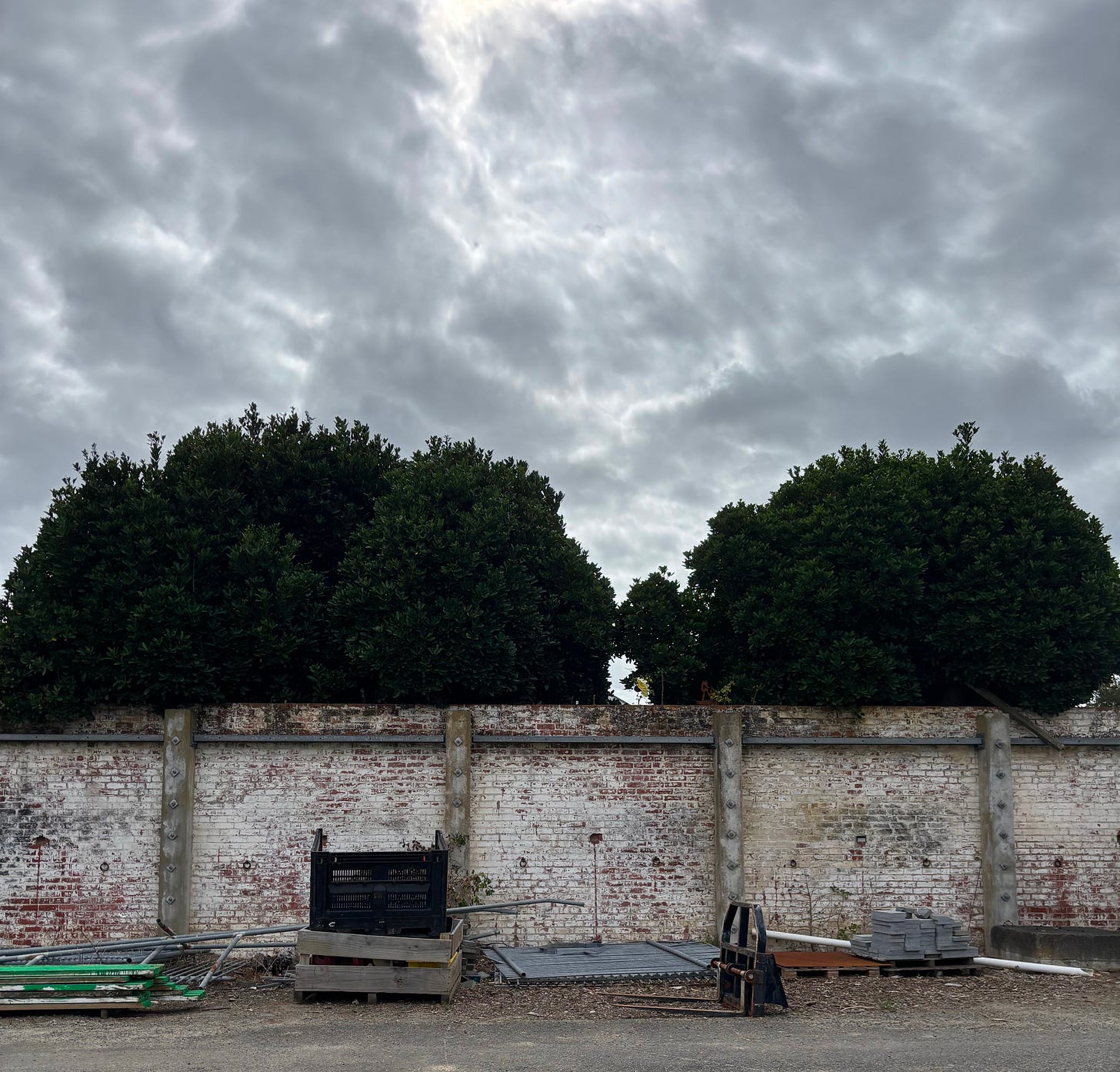
Karaka trees are woven into the whakapapa of many iwi, marking settlement sites and migration routes. In the Manawatū region, where I live, they can still be found in areas of historical significance, particularly in places like Palmerston North, where they were planted near pā sites and used as wayfinding markers. Their presence serves as a living reminder of the enduring relationship between tangata whenua and the land.
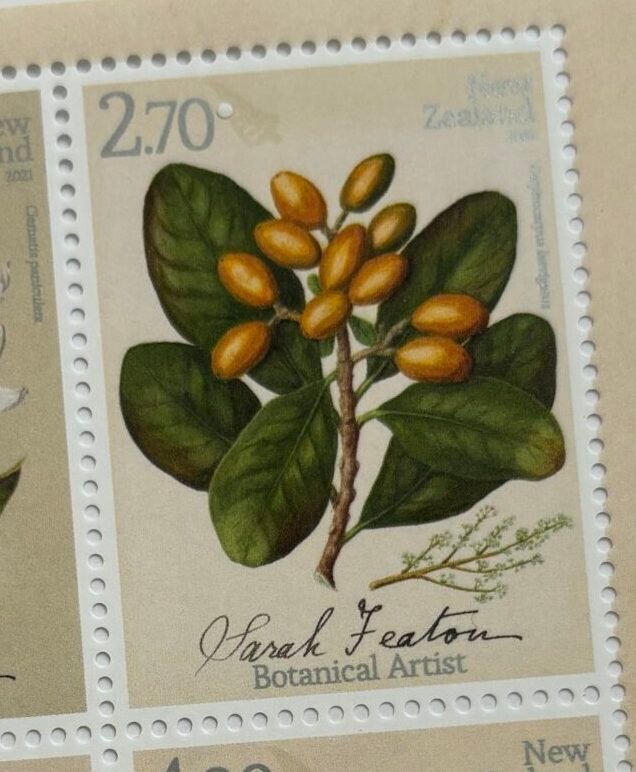
“The most striking feature of the karaka is its orange fruit, which in summertime covers the tree with large bunches of swollen orange berries,” Vennell notes. This vibrant colour symbolises warmth, vitality, and abundance, and is a reminder of the sustenance the tree has provided for generations. As Vennell observes, “New Zealand plants are truly remarkable. They have a unique and fascinating history. And if we stop and listen, they still have incredible stories to tell.” The karaka is no exception — its glossy green leaves and sturdy trunk embody resilience, thriving in harsh coastal conditions.
The word “karaka” itself has become synonymous with “orange” in te reo Māori, further illustrating the deep connection between the tree, the land and people. Over time, the karaka’s role has evolved from a food source to a popular garden and street plant. Despite this, its cultural significance remains.
The karaka has a complex relationship with its environment. “Within NZ, karaka have been perceived as a weed,” with its fast-growing and shade-tolerant seedlings spreading quickly. “Karaka trees are particularly common in former pā, marae and settlement sites, and it’s common to see them planted in straight lines, circles, or groves,” Vennell notes. Historical records of vast karaka groves in Palmerston North and Wellington are thought to represent orchards cultivated by Māori. “Ownership of one of these large ‘pā karaka’ would have conferred a huge amount of mana and prestige,” further emphasising the tree’s importance.
Though modern calls for its removal from public spaces have arisen due to its potential danger to dogs, the karaka’s resilience and historical significance remain undeniable.
As we honour the wisdom of the past, we are reminded that the trees around us carry stories worth preserving — stories of survival, kaitiakitanga, and the enduring connection between the tree, the land and people. The karaka tree, in all its beauty, remains a lasting legacy of nourishment and connection. We feel humbled to be in the role of kaitiaki for these trees, adding to their rich heritage.

0 Comments